
Day 7, September 16th, 2018. After an early start, I volunteered on two shark diving trips in the morning and afternoon. We did not see any great whites but saw multiple bronze whalers. The water visibility was incredible, so we went snorkeling right after our trips completed. Even though I was pretty rusty, snorkeling was a lot of fun and especially cool because of the kelp forests in this area. I used my hands to move through the kelp so I did not capture any footage with my GoPro. A long but productive day!
International Marine Volunteers – Day 6
Day 6, September 15th, 2018. On one hand, today was one of the greatest days of my life. I volunteered on one whale watch and two shark cage dives. During the final cage dive, a four-meter female great white hit the bait several times. It was an honor to briefly share the ocean with this animal. I tried my best to record it underwater, but no footage can display the shark’s strength and grace as it glided through the water.
On the other hand, today is heartbreaking. It is believed that J50, one of the critically endangered Southern resident killer whales, passed away somewhere off the coast of Washington or British Columbia. There are only 74 SRKWs remaining and, with each individual’s passing, the probability of extinction increases. The SRKW population was decimated by the captive whaling industry in the 1960s. Currently, the main threats to their survival are a lack of Chinook salmon (their primary food source), pollution, and increased vessel traffic. See this link for more information on J50: https://www.seattletimes.com/seattle-news/environment/search-for-orca-j50-continues-dead-or-alive/
International Marine Volunteers – Day 5
Day 5, September 14th, 2018. Today was epic. I volunteered on two shark cage dives and we were fortunate enough to see one great white and several bronze whalers. A beautiful four-meter great white hit the bait fish on our first trip. The shark struck the bait so hard that ~25% of its body left the water. Three bronze whalers were circling the bait on our second trip. Needless to say, there was a ton of shark activity and it was a beautiful day on the water.
International Marine Volunteers – Day 4
Day 4, September 13th, 2018. South Africa’s Cape Peninsula is known as the “Cape of Storms” due to the numerous shipwrecks which have occurred here. Needless to say, we don’t go sailing when conditions are too volatile. Today was one of those days. We stayed on land and performed a beach cleanup, removing over 80 pounds of glass bottles from a nearby beach.
International Marine Volunteers – Day 3
Day 3, September 12th, 2018. Today I assisted on two whale watching trips. On the second trip, a Southern right whale mother and calf came within inches of our boat. Coming face to face with these powerful animals was a humbling experience.
International Marine Volunteers – Day 2
Day 2, Tuesday, September 11th, 2018. Today I volunteered on a whale watching trip and a shark dive. We saw over 12 Southern right whales and one bronze whaler (shark). Unfortunately, there were no great whites today.
International Marine Volunteers – Day 1
Day 1, Monday, September 10th, 2018. After 10,433 miles of flying, I arrived in Cape Town last week and joined the volunteer project today. I am happy to report that I spotted my first great white Shark yesterday during a cage dive. The shark was difficult to capture on film but it was an amazing experience.
Cape Town, South Africa
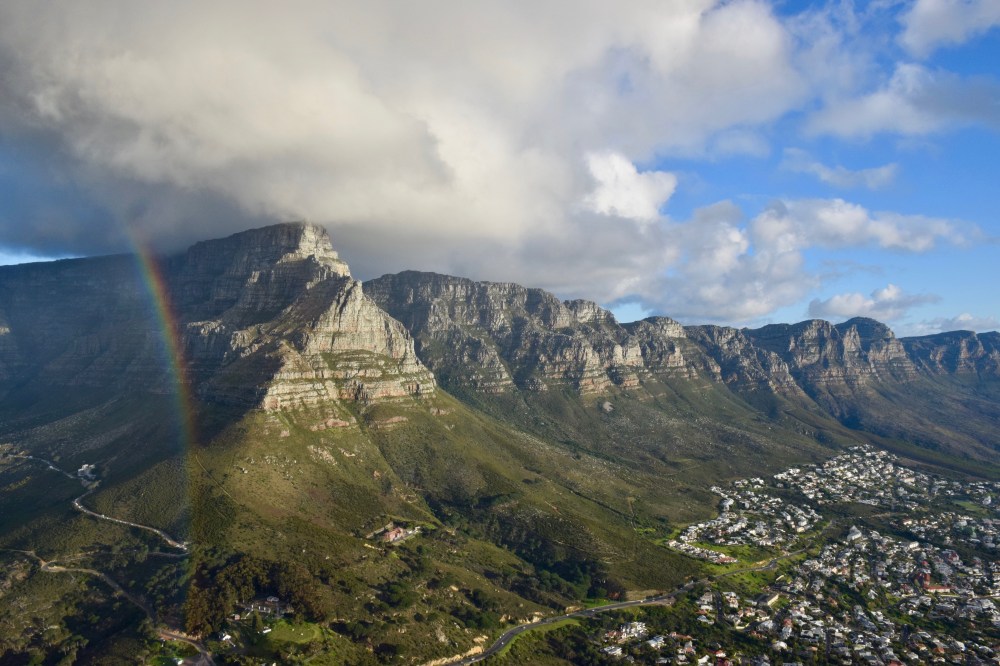
- My first rainbow in the rainbow nation
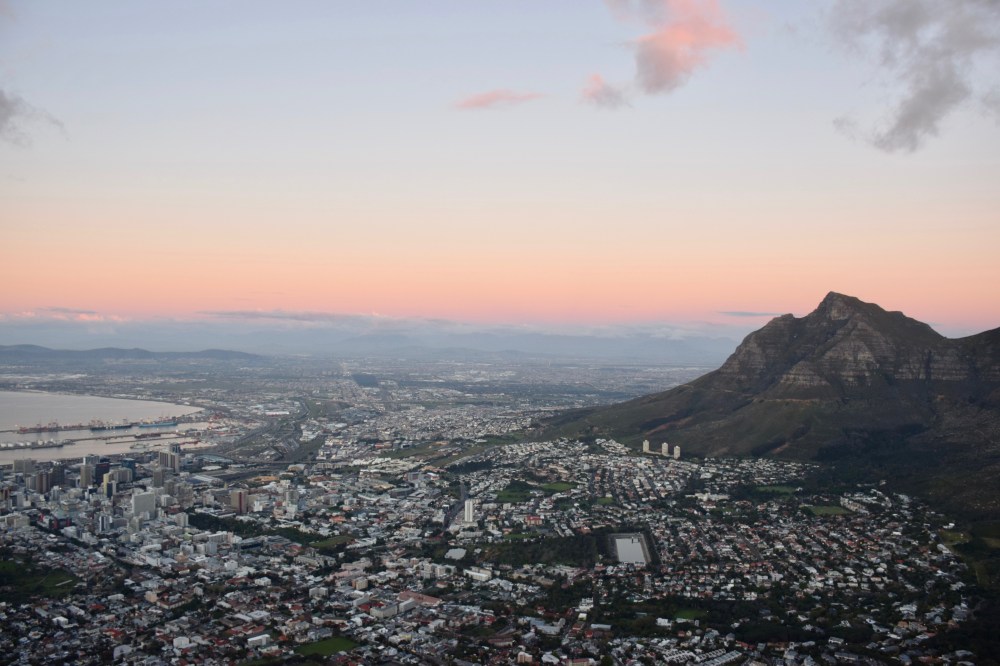
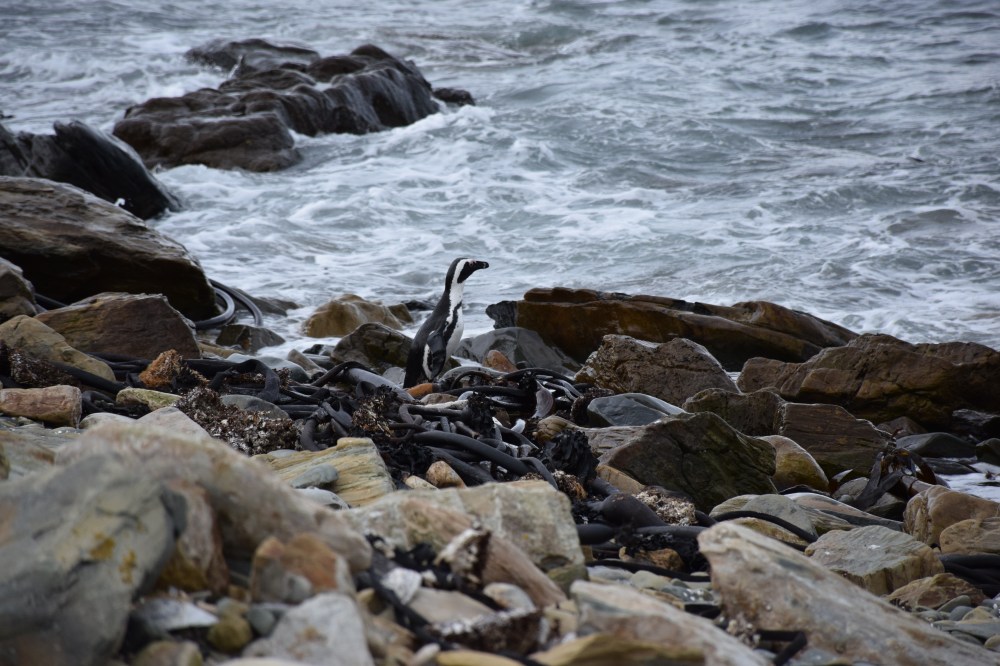
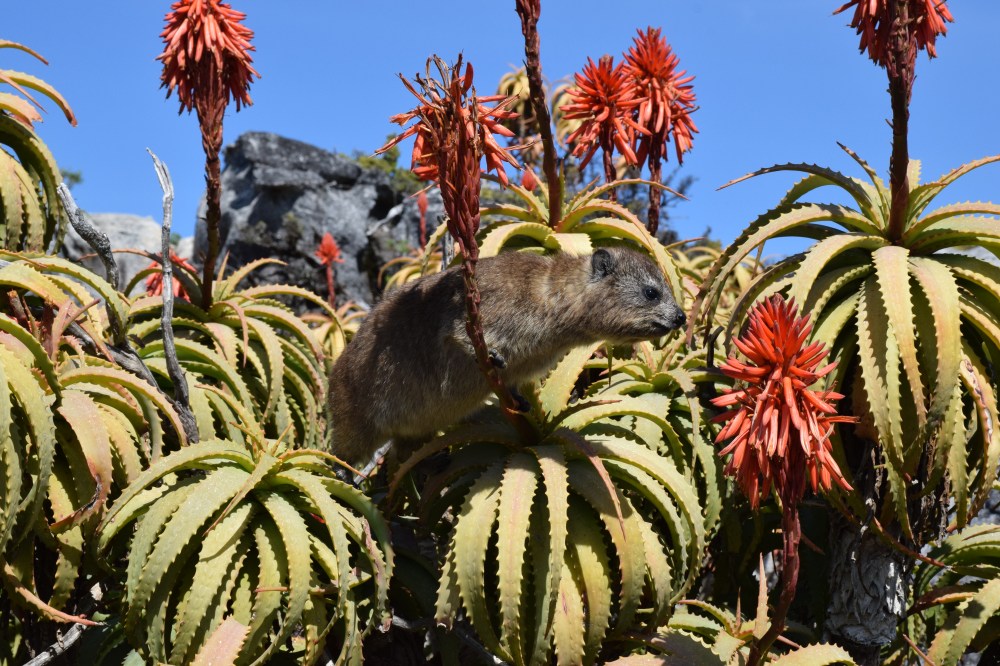
After 10,433 miles of flying, I arrived in Cape Town on Tuesday, September 4th, 2018. I knew Cape Town would be special, but I was woefully unprepared for its natural beauty. Cape Town lies 2,300 miles below the equator so September marks the end of winter. Despite the rain and cooler temperatures, Cape Town quickly won me over for its looks and laid-back vibes. Below are some highlights from my time in the Mother City.
Views, Views, Views



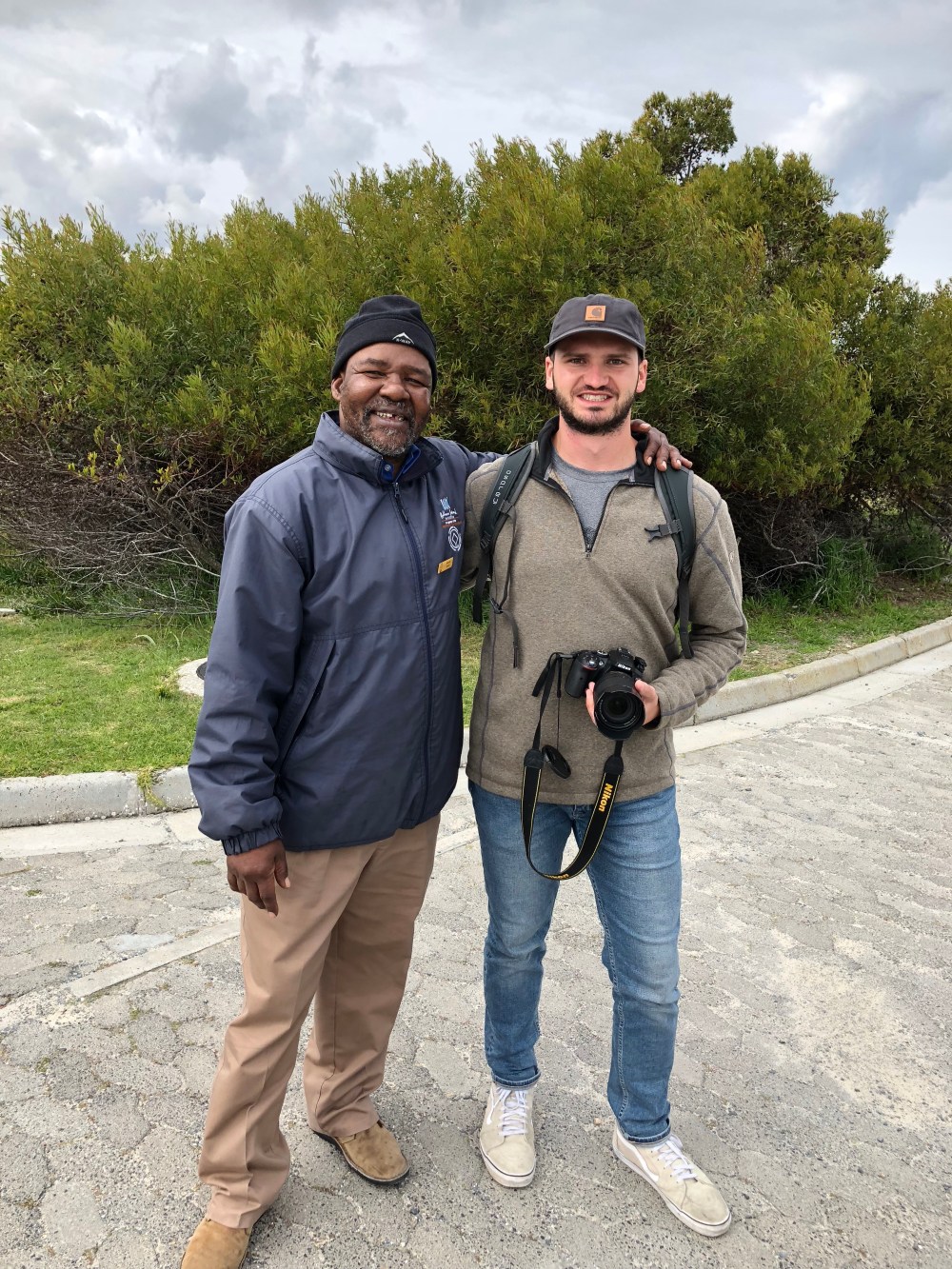
Meeting the Locals

Robben Island
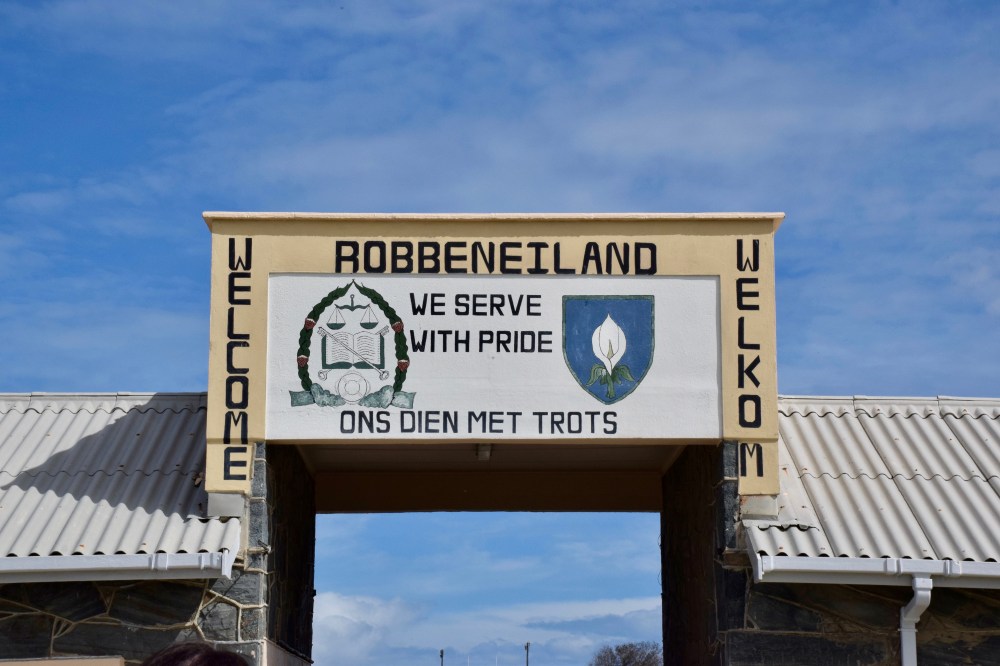
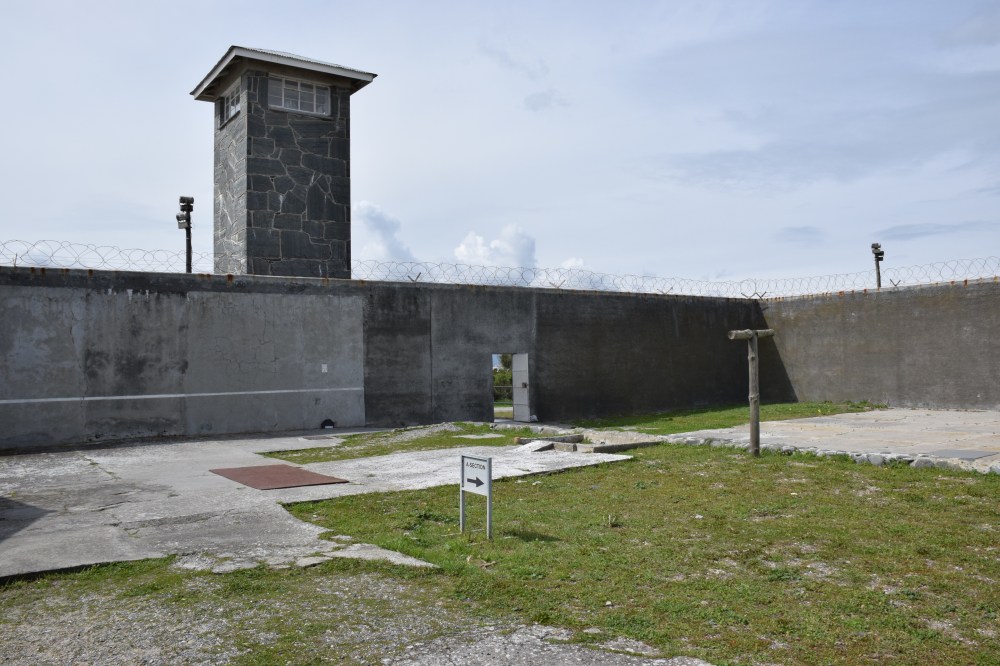


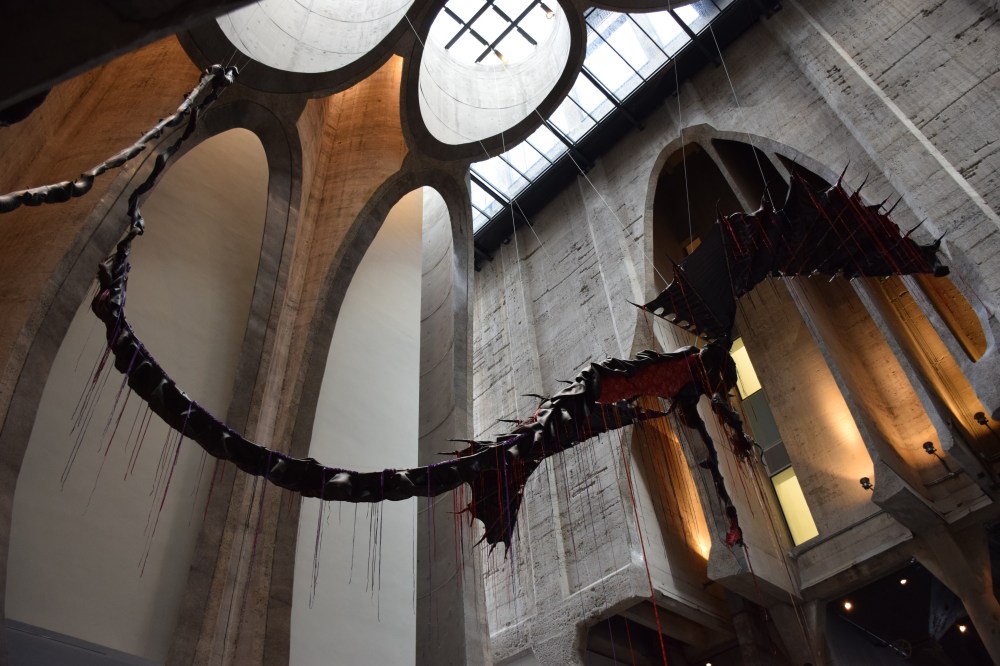
Zeitz Museum of Contemporary Art Africa


Second Beach – Forks, WA
I’ve dreamt of camping on Second Beach since moving to Seattle. It’s difficult to express how special this place is with a blog post. If you are looking for a mix of beach time and camping, then this is your outdoor getaway.
Located on the west side of the Olympic Peninsula, Second Beach is a remote yet popular spot for campers. After a two-mile hike through an old growth forest, you are surrounded by rocky escarpments, piles of driftwood, and soft sand. The backdrop is none other than the Pacific ocean. At low tide, you can venture out to the rocks or explore the tide pools which are teaming with life (tons of Starfish). At high tide, kick back with your friends or open up that book you’ve been waiting to read. This is a place where time, almost, stands still.
Pro tip: if you are leaving from Seattle, make sure to budget extra time for traffic and ferry congestion. We left at 4 PM on a Friday and did not arrive on the beach until Saturday at 1 AM. See below for information on Second Beach and pics of the adventure.


Washington Trails Association – https://www.wta.org/go-hiking/hikes/second-beach
Camping information – https://www.nps.gov/olym/planyourvisit/second-beach-trail.htm#CP_JUMP_155116
Whale Watch – Friday Harbor, WA
It’s easy for Friday Harbor to steal your heart away. Located on San Juan Island, it’s the quintessential Pacific Northwest retreat, complete with whales, bald eagles, lighthouses, and amazing sunsets. I traveled here with two friends for a quick overnight getaway. Friday Harbor is a well-known place to spot Killer Whales.
Two distinct populations of Killer Whale, Southern Residents, and Transients, can be seen at different times of the year (especially in the summer months). Southern Residents (SRKW) feed exclusively on Chinook salmon and are native to the waters off of Washington and British Columbia, the Salish Sea. Three pods, J, K, and L, make up the SRKWs. Transients feed on marine mammals and occasionally visit the Salish Sea.
The SRKWs are protected under the Endangered Species Act of 2005. Their population was decimated by the captive whaling industry in the 1960s and is currently threatened by a lack of Chinook salmon and increasing levels of pollution and vessel traffic in the Salish Sea. One driver of increased vessel traffic is whale watching boats. The whale watching industry is a hotly debated topic within the scientific community. Whale watching vessels can be seen following the whales almost all day long. Many scientists agree this impairs their ability to hear, making it harder to communicate and find prey. The SRKW population is a near all-time low of 75.
While I enjoyed the whale watch, land-based whale watching is a less intrusive way to view these amazing animals. Fortunately, San Juan Island offers some of the best land-based whale watching on the planet. Lime Kiln Point State Park, on the west side of San Juan Island, is my favorite place to look for whales. Seeing whales from shore is a special experience. It requires so many probabilities to work in your favor. You and the whales need to be in the right place at the right time. See this link for more information on Lime Kiln: https://parks.state.wa.us/540/Lime-Kiln-Point
 Phone Keys Snorkel